
How to Train a German Shepherd for Protection Without Aggression
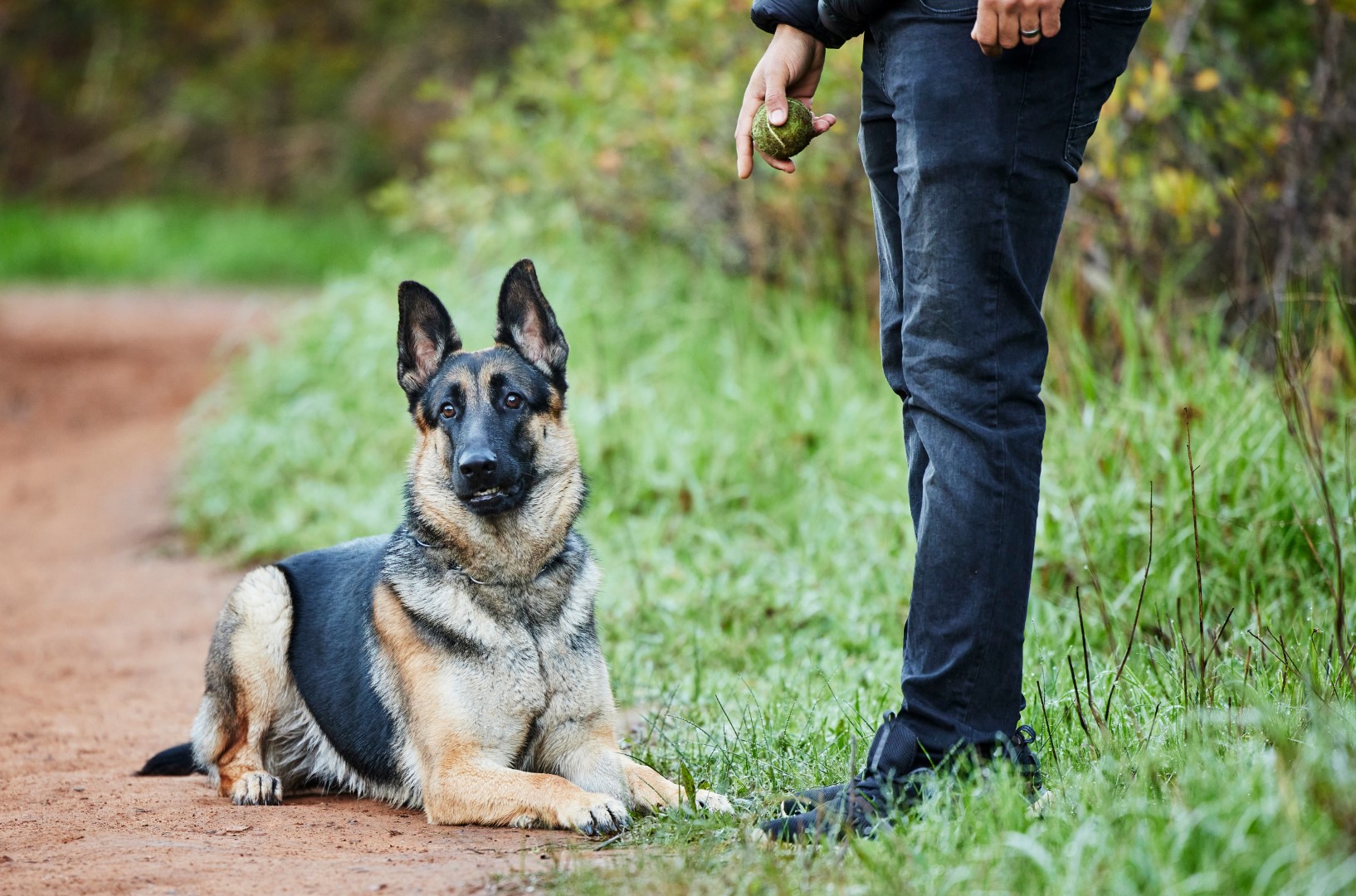
German Shepherds are widely known for their intelligence, loyalty, and natural protective instincts. Many families choose this breed because it can be both a loving companion and a reliable guardian. However, responsible training is essential. If you want to train a German Shepherd for protection without aggression, it is important to focus on obedience, structure, and balanced training methods that develop confidence rather than fear.
Learning how to train a German Shepherd for protection without aggression requires a balanced approach that focuses on obedience, socialization, and professional guidance. With the right methods, your dog can become a trustworthy protector while remaining calm and friendly in everyday life.
Understanding the German Shepherd’s Protective Instincts
German Shepherds were originally bred to work, guard, and assist humans. Because of this history, they naturally develop strong loyalty and territorial awareness. When properly guided, these instincts can help them protect their family and home effectively.
Protection training does not mean teaching a dog to attack. Instead, it means shaping the dog’s natural instincts so it responds confidently and appropriately to real threats. Professional trainers focus on improving a dog’s confidence, stress tolerance, and ability to remain calm under pressure during training.
At the German Dog Training Center, trainers use structured programs to develop these traits through obedience training, confidence-building exercises, and controlled protection work.
Start with Strong Obedience Training
Every successful protection dog begins with solid obedience. Without it, even the most intelligent dog can become difficult to control.
Basic commands create the foundation for all advanced training. Your German Shepherd should reliably respond to commands such as:
- Sit
- Stay
- Heel
- Come
- Down
- Leave it
These commands ensure that you remain in control in any situation. Obedience training also strengthens communication between you and your dog, helping them understand expectations and respond to your direction.
When your dog listens consistently, you can safely move on to more advanced protection exercises.
Focus on Early Socialization
Socialization is one of the most important factors in preventing aggressive behavior. German Shepherds are naturally alert and sometimes cautious around unfamiliar people. Without proper exposure, this instinct can develop into fear or defensive aggression.
Introducing your dog to new environments, people, and animals at an early age helps build confidence and emotional stability. Puppies should experience a wide range of positive interactions during their early months.
A well-socialized German Shepherd learns that not every stranger is a threat. This understanding allows the dog to remain calm and only react when truly necessary.
Use Positive Reinforcement Training
Positive reinforcement is one of the safest and most effective training methods for German Shepherds. This approach rewards desired behaviors with praise, toys, or treats.
Rather than punishing mistakes, trainers focus on encouraging correct actions. This keeps the dog motivated and prevents fear-based responses that can lead to aggression.
For example, when your dog responds correctly to a command or demonstrates calm behavior around strangers, reward them immediately. Over time, your dog learns that controlled behavior leads to positive outcomes.
Teach Controlled Alert Behaviors
A good protection dog does not attack first. Instead, it alerts the owner when something unusual happens.
Training your German Shepherd to bark on command is a helpful step in protection training. You can teach a “speak” command followed by a “quiet” command so your dog learns to alert you while remaining under control.
This type of training allows your dog to act as a deterrent without becoming aggressive. Many intruders are discouraged simply by a confident barking dog.
How Structured Training Helps Train a German Shepherd for Confident Protection
Confidence is a key element of safe protection training. A fearful or insecure dog is more likely to react unpredictably.
Structured training programs help build confidence by introducing controlled challenges such as:
- New environments
- Different surfaces and obstacles
- Distractions like noise or movement
- Controlled interactions with strangers
When a dog successfully navigates these situations, it learns to remain calm and focused.
Professional trainers often incorporate activities such as Schutzhund training. This sport evaluates and develops traits such as obedience, tracking, and controlled protection work in working breeds like German Shepherds.
These structured exercises teach the dog to follow commands even in high-pressure scenarios.
Avoid Encouraging Aggressive Behavior
One of the biggest mistakes dog owners make is trying to “make” their dog aggressive. Encouraging uncontrolled aggression can create serious safety risks for both the dog and others.
Instead, protection training should focus on control, discipline, and clear communication. A well-trained protection dog should:
- Remain calm in everyday situations
- Respond instantly to commands
- Stop protective behavior when instructed
- Distinguish between normal activity and genuine threats
Training should always emphasize control over force.
Work with Professional Trainers
Protection training is complex and should not be attempted without guidance. Professional trainers understand how to develop a dog’s protective abilities safely while maintaining a stable temperament.
The German Dog Training Center has decades of experience breeding and training German Shepherds for families, sport, and professional work. The facility operates on a large training property and works with dogs used for family protection, sport training, and law enforcement roles.
Professional training ensures your dog develops the right balance of obedience, confidence, and protection skills.
Why Consistency Matters When You Train a German Shepherd
Consistency is essential for every stage of German Shepherd training. Dogs thrive when routines are predictable and expectations remain clear.
Short daily training sessions help reinforce commands and maintain focus. Experts often recommend regular short practice sessions along with periodic advanced training work to maintain protection skills.
By practicing consistently, your dog develops reliable habits and stronger obedience.
Successfully Train a German Shepherd for Protection Without Aggression
Training a German Shepherd for protection without aggression requires patience, discipline, and the right guidance. When done correctly, your dog becomes a confident guardian who protects your family while remaining friendly and well-behaved.
By focusing on obedience, socialization, positive reinforcement, and professional training, you can shape your German Shepherd into a dependable protector and a loyal companion.
If you want expert guidance for your dog, the team at German Dog Training Center offers specialized programs designed to develop confident, obedient protection dogs. Contact us today to learn more about our professional German Shepherd training programs and how we can help you build a strong bond with your dog.


