
Common German Shepherd Health Issues and Preventative Measures
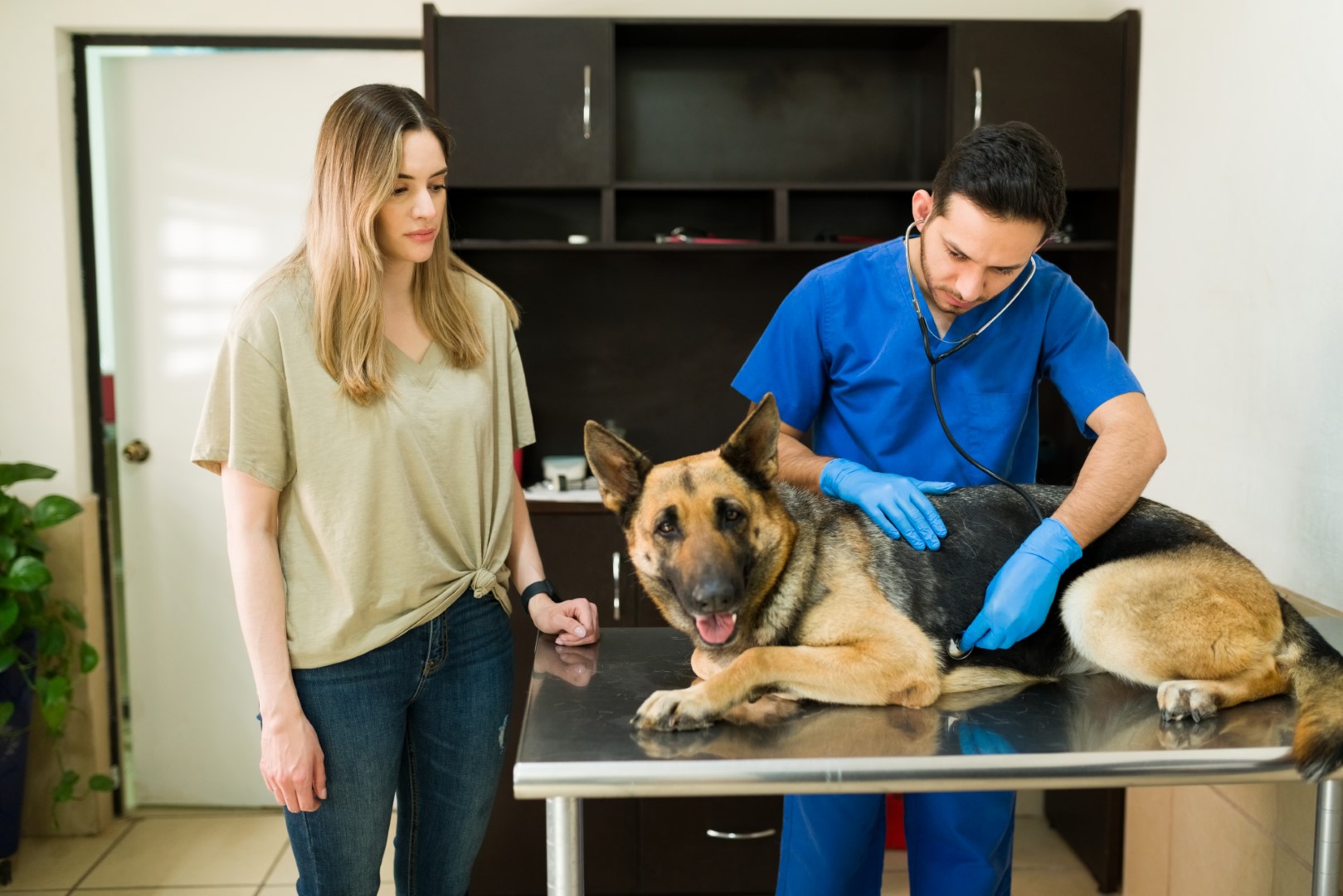
German Shepherds are known for their intelligence, loyalty, and strong work ethic. They excel as family companions, service dogs, and working partners. However, like many purebred dogs, they are prone to specific health concerns. Understanding common German Shepherd health issues and preventative measures helps owners take proactive steps that support long, active lives. With proper care, training, and conditioning, many health risks can be reduced or managed effectively.
At German Dog Training Center, the focus extends beyond obedience. A healthy dog learns better, performs better, and enjoys life more fully. Preventative care plays a critical role in every successful training journey.
Hip and Elbow Dysplasia in German Shepherds
Hip and elbow dysplasia are among the most common German Shepherd health issues. These joint conditions occur when the joints develop improperly, leading to pain, stiffness, and mobility problems over time. Symptoms often begin subtly, especially during growth stages or later adulthood.
Preventative measures start early. Responsible breeding reduces risk, yet daily care matters just as much. Maintaining a healthy weight significantly decreases joint stress. Controlled exercise also supports joint stability without overloading developing bones.
Structured training programs that emphasize proper movement help build supportive muscle. At German Dog Training Center, balanced physical activity is encouraged to strengthen joints while protecting long-term mobility.
Degenerative Myelopathy and Mobility Decline
Degenerative myelopathy is a progressive neurological condition affecting older German Shepherds. It leads to weakness in the hind legs and coordination loss. Although no cure exists, early awareness allows owners to manage symptoms more effectively.
Consistent physical conditioning helps delay muscle deterioration. Low-impact exercises, guided movement training, and balance-focused activities support mobility. Mental stimulation also remains essential, as it keeps dogs engaged despite physical changes.
Regular evaluations help identify changes early. With supportive care, many dogs maintain a good quality of life for extended periods.
Bloat and Digestive Emergencies
Bloat, also called gastric dilatation-volvulus, is a life-threatening condition common in deep-chested breeds like German Shepherds. The stomach fills with gas and may twist, cutting off blood flow. Immediate veterinary care is required.
Preventative measures are highly effective. Feeding smaller meals throughout the day reduces risk. Avoiding intense activity before and after meals is also important. Calm feeding environments help prevent gulping air while eating.
Training reinforces calm behaviors around feeding time. Dogs that learn impulse control often experience fewer stress-related digestive issues.
Allergies and Skin Sensitivities
Skin and food allergies frequently affect German Shepherds. These issues often present as itching, ear infections, redness, or digestive discomfort. Environmental allergens, dietary sensitivities, and parasites all contribute.
Consistent grooming removes allergens trapped in the coat. Nutritionally balanced diets also support skin health and immune response. Monitoring reactions to foods or seasonal changes allows for faster intervention.
Behavioral training plays a role as well. Dogs trained to tolerate grooming and examinations experience less stress, which supports overall wellness.
Exocrine Pancreatic Insufficiency in German Shepherds
Exocrine pancreatic insufficiency is another condition more common in German Shepherds. It occurs when the pancreas cannot produce enough digestive enzymes. Symptoms include weight loss, loose stools, and increased appetite without weight gain.
Early diagnosis is essential. With proper enzyme supplementation and dietary management, affected dogs often live full, active lives. Structured routines help owners stay consistent with feeding and supplements.
Training supports these routines by reinforcing mealtime structure and reducing anxiety around feeding, which improves digestion and absorption.
Heart Health and Endurance
German Shepherds can experience heart conditions that affect endurance and stamina. While symptoms may develop slowly, early detection improves outcomes significantly.
Routine veterinary exams remain critical. Owners should also observe changes in exercise tolerance, breathing patterns, or energy levels. Balanced conditioning helps maintain cardiovascular strength without overexertion.
At German Dog Training Center, exercise programs are tailored to each dog’s age and physical condition. This approach supports heart health while enhancing performance and focus.
Preventative Care Through Training and Lifestyle
Preventative care goes beyond veterinary visits. Daily habits shape long-term health outcomes. Proper nutrition, structured exercise, and mental stimulation form the foundation of wellness.
Training encourages controlled movement, confidence, and reduced anxiety. Stress reduction directly supports immune function and digestive health. Dogs with consistent routines adapt better to environmental changes and physical challenges.
German Dog Training Center integrates health-conscious training methods into every program. The goal is not only obedience, but balanced physical and mental development.
Supporting a Healthy Life for Your German Shepherd
Understanding common German Shepherd health issues and preventative measures empowers owners to act early and confidently. While genetics influence risk, daily care choices matter just as much. Preventative strategies often improve training outcomes while extending quality of life.
A well-trained dog moves better, manages stress effectively, and responds positively to routine care. Training and health are closely connected, especially for active, intelligent breeds like German Shepherds.
If you want expert guidance that supports both behavior and long-term wellness,
contact German Dog Training Center
today. Our experienced team helps German Shepherds thrive through structured training,
conditioning, and owner education.


