
How to Properly Introduce a German Shepherd to a Multi-Pet Household
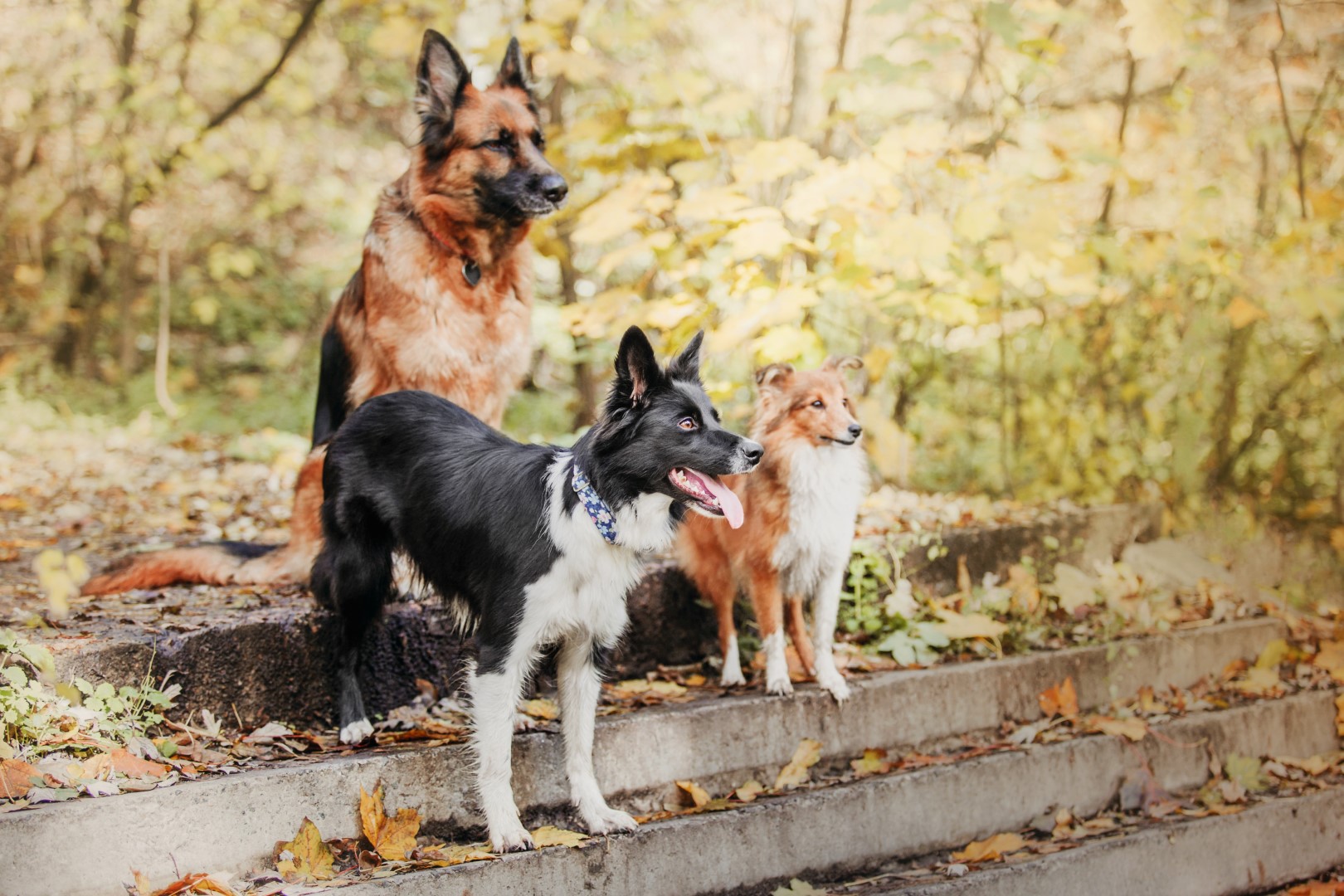
Understanding Your German Shepherd’s Temperament
Introducing a new dog into your home is an exciting decision, and bringing in a German Shepherd adds even more anticipation. When you plan to introduce a German Shepherd to a multi-pet household, the process requires thoughtful preparation to ensure safety, harmony, and confidence for every animal. With the right approach, your German Shepherd can transition smoothly and become a well-mannered member of your family. German Dog Training Center emphasizes structured socialization, clear communication, and consistent training as the foundation for success in homes with multiple pets.
Training before introductions ensures your German Shepherd responds reliably when distractions occur. This foundation builds confidence in your dog and creates a safer, calmer atmosphere for your existing pets as they adjust to the new family member.
Preparing the Environment Before the First Meeting
Preparation sets the tone for successful introductions. Start by giving each pet its own safe space, allowing them to eat, sleep, and relax without competition or fear. Separate areas reduce stress and help each animal feel secure as they adjust to a new dynamic.
Next, begin scent swapping. Because animals communicate heavily through smell, allowing them to become familiar with each other’s scent before meeting reduces anxiety. Exchange blankets, toys, or bedding so each pet can investigate these new scents at their own pace. This simple step creates more comfortable first impressions.
If you have other dogs in the home, consider scheduling the initial introduction in a neutral outdoor area. A shared walk gives the animals an opportunity to observe one another in a low-pressure setting. Walking side by side creates natural bonding while preventing territorial reactions that might occur indoors.
Introducing Pets Inside the Multi-Pet Household
Once your pets appear comfortable with each other’s scent, you can begin indoor introductions. Start with controlled encounters by keeping your German Shepherd on a leash. Let the other pets approach gradually and only when they seem ready. Forcing interactions can create fear, so slow pacing is essential.
Using barriers during early meetings keeps everyone safe. Baby gates, crates, and playpens allow pets to see and smell each other while maintaining a protective boundary. These controlled experiences help each animal build trust without feeling overwhelmed.
Positive reinforcement becomes especially helpful during these early moments. Reward calm, respectful behavior with treats, praise, or affection. Since German Shepherds thrive on structure and consistency, reinforcing the behaviors you want encourages your dog to remain relaxed and responsive around other pets.
Introducing a German Shepherd to Cats and Small Animals
Introducing a German Shepherd to a cat or small animal requires additional care. Their natural prey drive may cause excitement or curiosity, so gradual exposure is essential. Start with visual introductions through barriers and allow each animal to maintain control over its space. Elevation points, hiding spots, and escape routes help smaller pets feel comfortable and safe.
Continue monitoring body language during every interaction. If your German Shepherd shows intense staring, stiff posture, or fixated behavior, redirect them with a command and reward compliance. Similarly, if your cat or small animal appears stressed, provide distance and reduce the intensity of the interaction. Slow progress is completely normal, and patience will lead to better long-term success.
Although some pets develop friendships quickly, others might require several weeks of gradual exposure before they feel fully at ease. Respecting each animal’s comfort level prevents unnecessary setbacks and promotes harmony.
Ensuring Ongoing Supervision and Training
Early supervision remains important until you feel confident that your pets can coexist peacefully. Continue practicing obedience commands during interactions with other animals, which helps your German Shepherd stay focused and calm. Because this breed is energetic and intelligent, consistent mental and physical exercise prevents excess energy from turning into unwanted behavior.
If challenges arise, seeking professional guidance can help you reassess your introduction strategy. Trainers experienced with German Shepherd behavior can provide personalized recommendations to support a smoother transition. Their expertise ensures your dog receives the structure needed to thrive in a multi-pet setting.
Creating a Peaceful Multi-Pet Household
Building a harmonious multi-pet household takes committed effort, yet the results can be incredibly rewarding. By preparing thoughtfully, reinforcing positive behavior, and using structured training methods, you can help your German Shepherd settle comfortably among your other pets. German Dog Training Center encourages purposeful socialization and clear communication from the beginning, helping every dog develop into a respectful and confident part of the family.
A well-managed introduction creates lasting benefits. You not only support your German Shepherd’s social growth but also nurture a peaceful environment where every pet feels valued and secure. With patience and planning, your home can become a thriving place where strong bonds form and your pets enjoy life together. If you are ready for additional support or want to strengthen your dog’s training foundation, contact us to learn more about how we can assist your journey toward a balanced multi-pet household.


