
How to Transition an Adopted or Rescue German Shepherd into Your Home
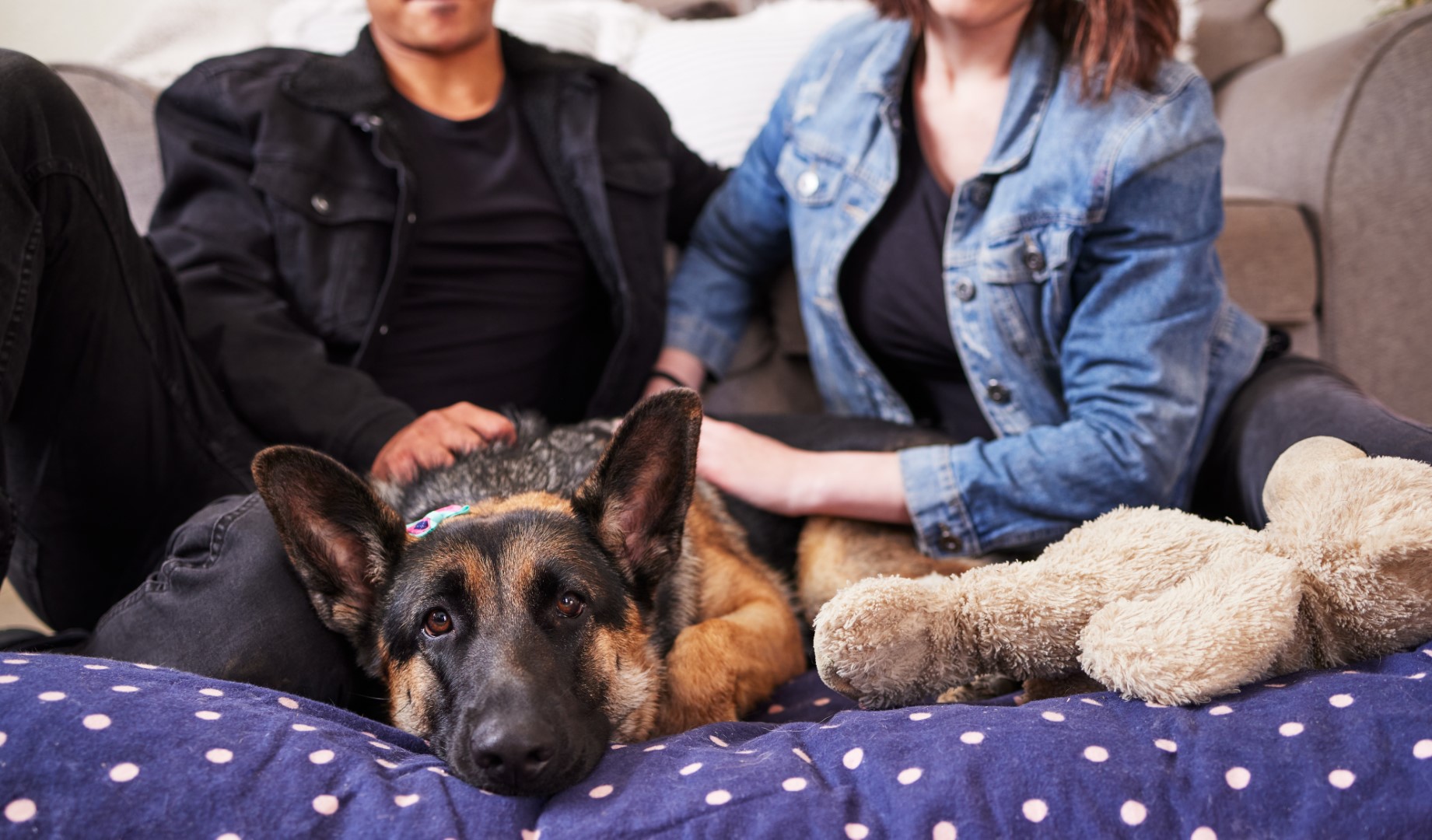
Bringing home a rescue German Shepherd is exciting. However, it also comes with unique challenges. This is especially true for this breed, known for intelligence, loyalty, and sensitivity.
At German Dog Training Center, experts emphasize that structure, patience, and proper training are essential. With over 30 years of experience working with German Shepherds, they understand that every dog requires individualized attention and guidance.
If you want a smooth transition, the right approach makes all the difference. Below are proven strategies to help your rescue German Shepherd feel safe, confident, and at home.
Prepare Your Home Before Your Rescue German Shepherd Arrives
First, preparation sets the tone for success. Rescue dogs often feel overwhelmed in new environments. Therefore, creating a calm and structured space is critical.
Start by designating a quiet area for your dog. This gives them a safe place to decompress. Also, remove hazards and secure items they may chew.
Additionally, stock up on essentials:
- A comfortable bed
- Food and water bowls
- Toys for mental stimulation
- A leash and collar
German Shepherds thrive in structured environments. In fact, proper preparation reduces anxiety and prevents unwanted behaviors early on.
Give Your Rescue German Shepherd Time to Decompress
Next, understand that your new dog needs time. Many rescue German Shepherds come from stressful situations. As a result, they may feel anxious, confused, or even fearful.
Avoid overwhelming them with too much attention. Instead, allow them to explore your home at their own pace.
During the first few days:
- Keep interactions calm and predictable
- Limit visitors
- Maintain a quiet environment
This adjustment period builds trust. Over time, your dog will begin to feel more secure.
Establish a Consistent Routine
Consistency is key when transitioning a rescue German Shepherd. These dogs respond best to structure and clear expectations.
Set a daily schedule for:
- Feeding
- Walks
- Training sessions
- Rest time
A routine helps your dog understand what to expect. Consequently, it reduces anxiety and improves behavior.
At German Dog Training Center, trainers highlight that obedience and structure create a more balanced and confident dog.
Start Basic Obedience Training Early
Training should begin immediately, even with simple commands. German Shepherds are highly intelligent and eager to learn. However, without guidance, they may develop unwanted habits.
Start with basic commands like:
- Sit
- Stay
- Come
- Heel
Positive reinforcement works best. Reward good behavior with praise or treats. Over time, this builds a strong bond between you and your dog.
Professional training can also accelerate progress. German Dog Training Center offers programs ranging from basic to advanced obedience. These programs help dogs respond reliably, even in distracting environments.
Focus on Socialization
Socialization is another critical step. Rescue German Shepherds may not have had proper exposure to people or other animals.
Introduce new experiences gradually:
- Start with calm environments
- Slowly introduce new people
- Monitor interactions with other pets
Proper socialization helps prevent fear-based behaviors. It also builds confidence in unfamiliar situations.
According to training experts, exposure to controlled environments improves behavior and reduces reactivity over time.
Address Behavioral Issues Early
Many rescue dogs come with existing behavioral challenges. These may include barking, chewing, or separation anxiety.
Do not ignore these issues. Instead, address them early with consistent training.
German Dog Training Center offers custom behavior correction programs. These programs target specific issues like jumping, digging, and excessive barking.
Early intervention prevents these behaviors from becoming long-term habits.
Provide Mental and Physical Stimulation
German Shepherds are high-energy dogs. Therefore, they require both physical exercise and mental stimulation.
Daily activities should include:
- Walks or runs
- Interactive toys
- Training exercises
Without proper stimulation, boredom can lead to destructive behavior. On the other hand, a well-exercised dog is calmer and more focused.
Structured activities also reinforce training. This combination leads to a happier and more balanced companion.
Build Trust Through Positive Reinforcement
Trust is the foundation of any successful transition. Rescue dogs need to feel safe with their new owners.
Use positive reinforcement consistently:
- Reward good behavior
- Avoid harsh corrections
- Be patient
Over time, your dog will associate you with safety and stability. This strengthens your bond and improves responsiveness.
Training experts emphasize that clear communication and positive reinforcement create lasting results.
Consider Professional Training Support for Your Rescue German Shepherd
While many owners can handle basic training, professional guidance often makes a significant difference.
German Dog Training Center specializes in German Shepherd training, including:
- Basic obedience
- Advanced obedience
- Behavior correction
- Board-and-train programs
Their experience allows them to tailor training to each dog’s needs. Additionally, they focus on creating obedient, confident, and well-adjusted dogs.
If you want faster and more reliable results, professional training is a valuable investment.
Helping Your Rescue German Shepherd Thrive
Transitioning a rescue German Shepherd into your home requires patience, consistency, and the right approach. However, the rewards are well worth the effort.
By creating structure, focusing on training, and building trust, you set your dog up for success. Over time, your rescue will become a loyal, confident, and loving companion.
If you need expert guidance, German Dog Training Center is here to help. Their proven training methods and decades of experience ensure your dog receives the support they need. Contact German Dog Training Center today to start your dog’s journey toward a better life.


