
Nutrition Tips for Optimal German Shepherd Health
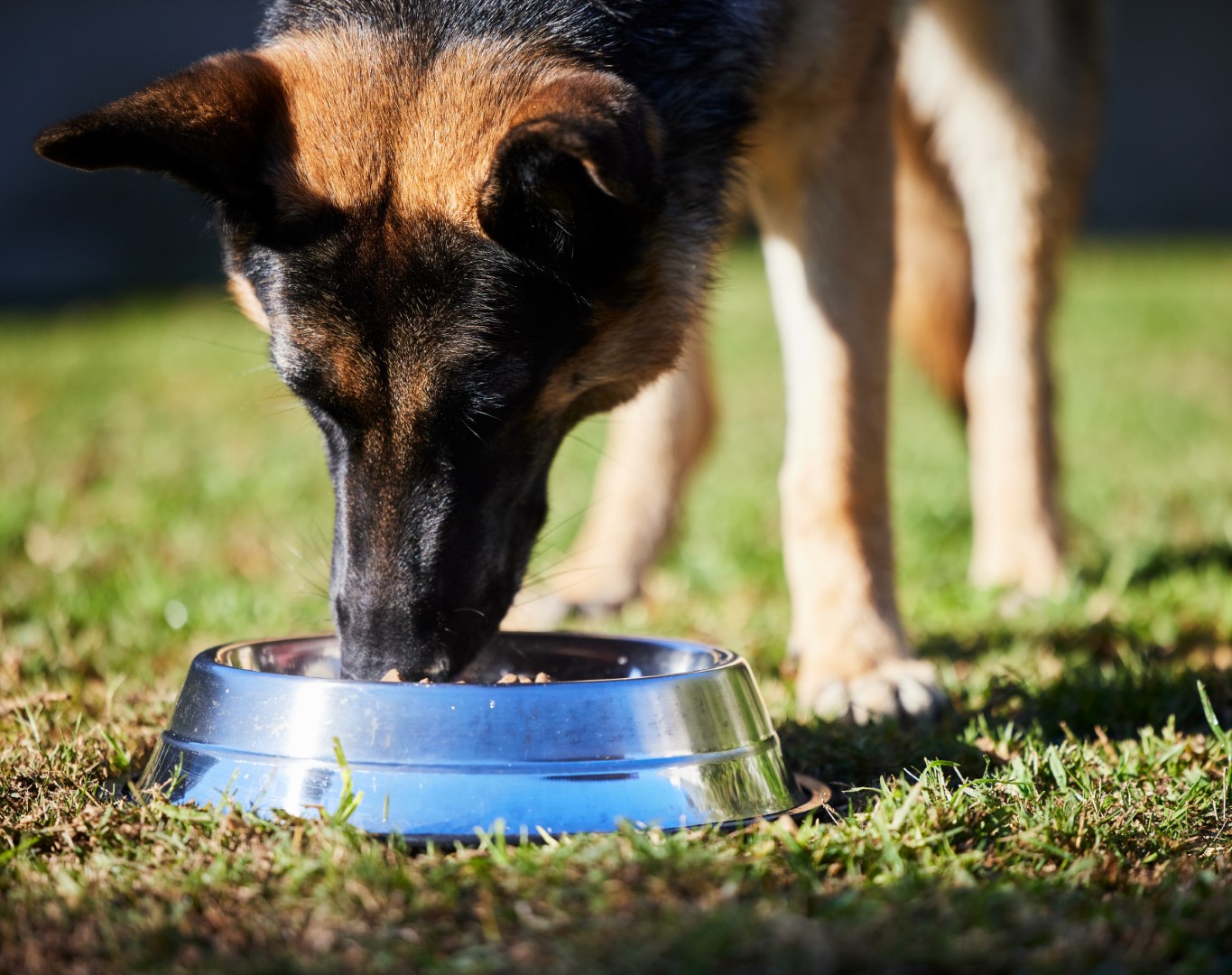
German Shepherd nutrition plays a major role in your dog’s long-term health, energy, focus, and overall quality of life. Because German Shepherds are intelligent, athletic, and highly driven dogs, they need more than basic feeding routines. They need consistent nutrition, structured activity, and thoughtful daily care.
However, there is no single perfect diet for every German Shepherd. Age, weight, activity level, health history, and lifestyle all matter. A puppy in early obedience training has different needs than an adult protection dog or a senior family companion.
Because of this, owners should work with their veterinarian to choose a complete and balanced diet. This is especially important for puppies, dogs with allergies, and German Shepherds with sensitive digestion.
Choose a Complete and Balanced Diet
The foundation of German Shepherd nutrition starts with a complete and balanced dog food. This means the diet should provide the right mix of protein, fat, carbohydrates, vitamins, minerals, and water for your dog’s life stage.
For puppies, proper nutrition is especially important because German Shepherds are large-breed dogs. Rapid growth can place extra stress on developing bones and joints. Therefore, puppy diets should support steady growth rather than excessive weight gain.
Adult German Shepherds need nutrition that supports lean muscle, daily energy, and healthy weight maintenance. Meanwhile, senior dogs may need adjustments based on mobility, digestion, dental health, or reduced activity.
Instead of chasing trends, focus on consistency, quality, and your dog’s individual response. If your dog has chronic itching, loose stool, poor coat quality, or sudden weight changes, speak with your veterinarian.
Support Healthy Weight and Joint Comfort
German Shepherds look powerful, but they should not carry unnecessary weight. Extra pounds can increase stress on the hips, elbows, spine, and paws. Over time, this can affect comfort, mobility, and training performance.
You should be able to feel your dog’s ribs without pressing hard. Also, your dog should have a visible waist when viewed from above. If your German Shepherd looks rounded through the midsection, it may be time to adjust portions or increase structured exercise.
German Dog Training Center often emphasizes purposeful movement and mental stimulation for German Shepherds. Nutrition should work alongside that routine. When feeding and exercise stay balanced, your dog can build strength without becoming overfed or under-conditioned.
Additionally, avoid giving too many table scraps. Human food can add calories quickly, and some foods can upset digestion or cause serious health problems.
Use Treats Wisely During Training
Treats can be helpful during training, especially when teaching new behaviors. However, they should not become a major part of your dog’s daily calories. Too many treats can lead to weight gain, picky eating, or digestive issues.
Instead, use small treats and reward with purpose. You can also use part of your dog’s regular meal during training sessions. This helps reinforce obedience without overfeeding.
German Shepherds often respond well to praise, toys, play, and structured engagement. Therefore, food does not need to be the only motivator. A balanced reward system can support better focus and a healthier routine.
Protect Digestive Health
Many German Shepherd owners notice that their dogs can have sensitive stomachs. Sudden food changes, rich treats, and inconsistent feeding schedules can all create digestive problems.
To protect your dog’s digestion, keep meals consistent. If you need to change food, transition gradually over several days. Mix a small amount of the new food with the current food, then slowly increase the new portion.
Also, feed meals at predictable times. Active German Shepherds often do well with two measured meals per day instead of one large meal. This routine can also help prevent overeating and support better energy throughout the day.
If your dog vomits frequently, has ongoing diarrhea, refuses meals, or seems uncomfortable after eating, contact your veterinarian.
Keep Hydration a Priority
Water is one of the most important parts of German Shepherd nutrition. Because this breed is active and often enjoys training, play, and outdoor time, hydration matters every day.
Always provide clean, fresh water. During hot weather, training sessions, travel, or outdoor activity, check the bowl more often. German Shepherds can overheat, especially during warmer seasons, so hydration should be part of every care routine.
After exercise, allow your dog to cool down and drink normally. However, avoid intense activity immediately before or after large meals. A calm feeding routine is best for comfort and safety.
Feed for Life Stage and Activity Level
A German Shepherd puppy, adult, senior, family dog, and working dog will not always need the same feeding plan. Therefore, nutrition should change as your dog changes.
Puppies need controlled growth support. Young adults may need more calories during active training. Mature adults may need maintenance portions. Seniors may need food that supports easier digestion and healthy body condition.
Additionally, dogs involved in obedience, agility, Schutzhund-style activities, or protection training may have higher energy needs. However, more activity does not always mean more food. Monitor body condition, stamina, stool quality, and overall behavior.
If your dog seems tired, gains weight, loses weight, or struggles during training, nutrition may need adjustment.
Balance German Shepherd Nutrition With Training and Routine
Good nutrition works best when paired with structure. German Shepherds thrive when they know what to expect. Regular meals, consistent training, daily exercise, grooming, and rest all contribute to better health.
At German Dog Training Center, the focus on obedience, confidence, and breed-specific understanding makes this especially important. A German Shepherd with a healthy routine is often calmer, more focused, and easier to guide.
In addition, avoid feeding out of guilt or boredom. Many dogs learn to beg because owners reward the behavior. Instead, use meals and rewards intentionally. This creates better habits for both the dog and owner.
Know When to Ask for Professional Guidance With German Shepherd Nutrition
Nutrition should never feel like guesswork. If your German Shepherd has allergies, digestive problems, unexplained weight changes, low energy, joint stiffness, or skin concerns, contact your veterinarian.
Also, if behavior changes appear around meals, training, or energy levels, consider the whole picture. Food, exercise, sleep, health, and training can all influence behavior.
For owners who want a healthier, better-behaved German Shepherd, expert training support can make a major difference. German Dog Training Center helps owners build stronger relationships with their dogs through structure, obedience, and breed-specific experience.
Building Better Health Through German Shepherd Nutrition
German Shepherd nutrition is about more than filling a bowl. It is about supporting strength, focus, digestion, coat health, joint comfort, and long-term wellness. With a complete and balanced diet, proper portions, smart treat use, and consistent routines, your dog can feel and perform at their best.
For families, sport handlers, and working dog owners, nutrition and training go hand in hand. If you want help building a stronger routine for your German Shepherd, contact us at German Dog Training Center today.


